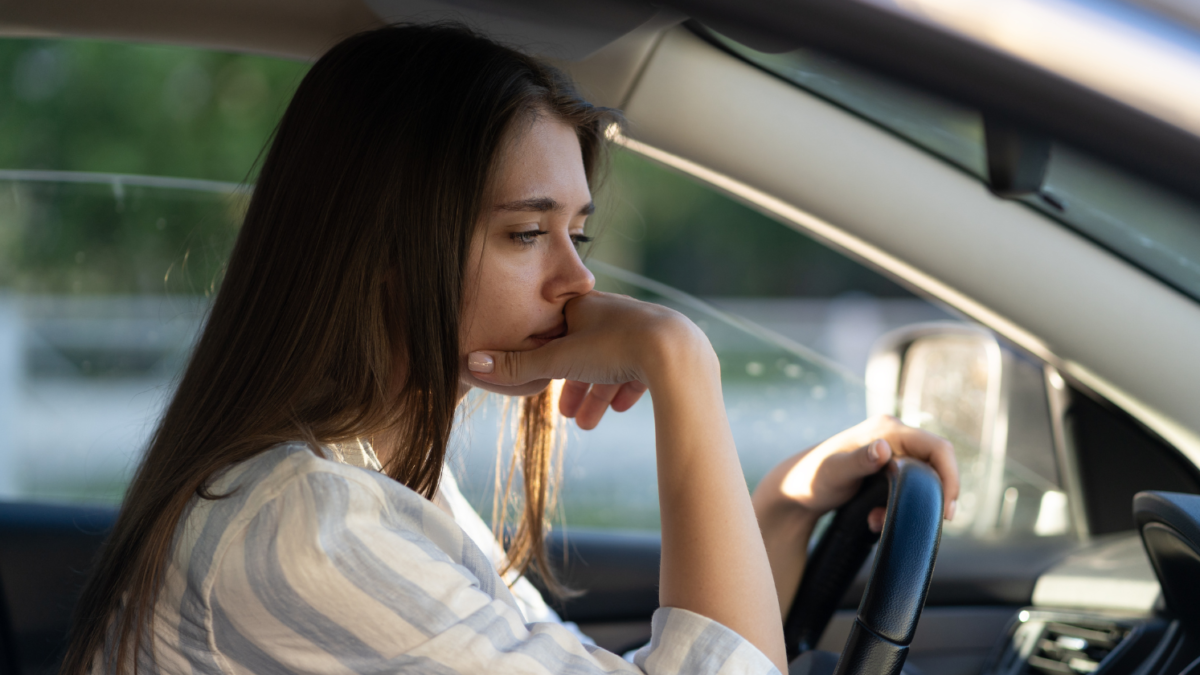
Have you ever heard someone say, “I can’t remember the last time I felt genuine joy“? It might sound like exaggeration or attention-seeking, but it’s far from dramatic. This haunting admission often signals a profound emotional disconnect known as anhedonia, where life’s pleasures fade into gray. If you’re experiencing this or know someone who is, understanding it could be the first step toward reclaiming vibrancy.
In a world obsessed with hustle and highlight reels, admitting to joylessness feels vulnerable. Yet, millions grapple silently with this void. Far from whining, it’s a legitimate cry from the brain signaling distress. Let’s dive deeper into why this happens and what to do about it.
What Exactly is Anhedonia and Why Does It Steal Your Joy?
Anhedonia is the clinical term for the inability to feel pleasure from activities once enjoyed. It’s not laziness or ingratitude—it’s a core symptom of deeper issues like depression, anxiety, or even neurological conditions. Imagine your favorite coffee tasting like dishwater or laughter feeling forced; that’s the reality for those affected.
Research from the National Institute of Mental Health highlights how anhedonia disrupts the brain’s reward system. Dopamine, the “feel-good” chemical, doesn’t fire properly, leaving people emotionally numb. This isn’t rare—up to 70% of those with major depressive disorder experience it.
Common Symptoms of Anhedonia
- Loss of interest in hobbies, social events, or food.
- Emotional flatness, even during positive experiences.
- Physical fatigue that overrides motivation.
- A sense of emptiness, like watching life through fogged glass.
These signs creep in gradually, making it hard to pinpoint when genuine joy last visited. Sufferers often push through, labeling themselves “fine,” but the toll mounts.
Why Dismissing It as Drama Does More Harm
Calling this “drama” minimizes a serious mental health red flag. Society glorifies resilience, but ignoring anhedonia can lead to isolation and worsened symptoms. Studies in the Journal of Affective Disorders show untreated cases increase suicide risk by 20%.
People aren’t being overly sensitive; their brains are literally wired differently in the moment. Chronic stress, trauma, or burnout rewires neural pathways, dimming joy receptors. Recognizing this as valid validates the struggle and opens doors to healing.
Think of it like a smartphone battery drained to zero—it won’t charge from willpower alone. External support and targeted strategies are essential.
Root Causes Behind the Joy Void
- Depression and anxiety: Primary culprits blocking pleasure pathways.
- Medication side effects or substance use disrupting dopamine.
- Traumatic life events reshaping emotional responses.
- Lifestyle factors like poor sleep, diet, or sedentary habits.
Genetics play a role too, with some inheriting a vulnerability to blunted rewards. The good news? Awareness is growing, and interventions work.
The Daily Toll: How Anhedonia Affects Relationships and Productivity
When genuine joy evaporates, everything suffers. Relationships strain as affection feels obligatory, not heartfelt. Partners might misread detachment as rejection, sparking conflicts.
At work, motivation plummets. Deadlines loom without the satisfaction of completion, leading to procrastination or burnout. A 2022 Harvard study linked anhedonia to 30% higher absenteeism rates.
Socially, withdrawing becomes default. Birthdays, gatherings, even Netflix binges lose appeal. This cycle deepens loneliness, proving it’s no small matter.
Real-Life Stories Echoing the Struggle
Consider Sarah, a 35-year-old marketer who once thrived on team wins and weekend hikes. “Joy? I think it was that promotion two years ago,” she shared. Now, achievements feel hollow. Her story mirrors countless others—proof it’s widespread and real.
Similarly, men often underreport, masking it as “midlife crisis.” Breaking the silence normalizes seeking help.
Rediscovering Joy: Practical Steps to Reawaken Your Reward System
Recovery starts small. Don’t aim for euphoria overnight; focus on micro-moments. Behavioral activation therapy encourages scheduling pleasurable acts, even if they feel meh initially.
Exercise reignites dopamine—aim for 30 minutes daily. Nature walks or yoga outperform gym drudgery for mood boosts. Nutrition matters too: omega-3s from fish or nuts support brain health.
Evidence-Based Strategies
- Mindfulness and gratitude journaling: Note three daily “sparks,” no matter how tiny.
- Therapy options like CBT or TMS for stubborn cases.
- Social reconnection: Start with low-pressure coffee chats.
- Sleep hygiene: 7-9 hours nightly rebuilds emotional resilience.
- Limit screens; blue light hampers melatonin and joy circuits.
Supplements like saffron or SAM-e show promise in trials, but consult doctors first. Patience is key—many report flickers of joy returning in weeks.
When to Seek Professional Help for Lasting Relief
If numbness persists over two weeks, or pairs with hopelessness, see a professional. Primary care can screen; therapists specialize in mood disorders. Psychiatrists may prescribe antidepressants targeting anhedonia specifically.
Hotlines like the National Suicide Prevention Lifeline (988 in the US) offer immediate support. Early intervention prevents escalation.
Workplaces increasingly provide EAPs—use them. Stigma fades as celebrities share stories, normalizing treatment.
Embracing Hope: Joy is Within Reach
People claiming no memory of genuine joy aren’t dramatic—they’re brave for voicing it. Anhedonia dims lights but doesn’t extinguish them. With science-backed steps, therapy, and self-compassion, vibrancy returns.
You’re not broken; your brain just needs recalibrating. Start today: one walk, one call, one journal entry. Genuine joy awaits rediscovery. If this resonates, share below or reach out—you’re not alone.